
Legal News Update: In 1993, his father tried to turn a troublesome field back into wetland; 33 years later, his son restored nearly 48 acres and wildlife returned
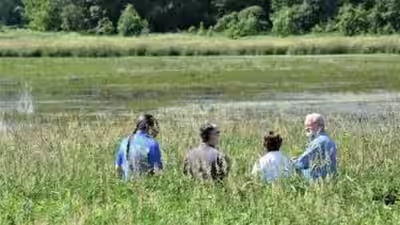
Thirty-three years after an Indiana landowner first tried to turn a flood-prone and difficult farm field back into a natural wetland, his son has completed the restoration of nearly 48 acres in St. Joseph County, creating a protected space for native wildlife to return. The project, described in an official report by the United States Department of Agriculture Natural Resources Conservation Service (USDA NRCS), shows the long-term transformation of farmland managed by Jim Wicks and Tom Malcolm. Through the Agricultural Conservation Easement Program’s Wetland Reserve Easements (WRE), administered by Indiana NRCS, the landowners permanently set aside 47.7 acres of former farmland. The easement ensures the property remains a protected natural area and prevents future farming, land clearing or commercial development. The story of the property began in 1993, when Wicks’ father first applied to place the wet and difficult farmland under federal wetland protection programmes. The first effort eventually stalled because of bureaucratic delays. But the family kept the idea alive, and Wicks and Malcolm later returned to the project with federal conservation officials to complete the restoration. “My dad actually started the Wetland Reserve Easement process in 1993,” Wicks said in an interview published by the USDA NRCS. “It kind of hit a dead end, but when Tom and I bought the property, we decided to get back into it.”
Engineering the return of natural hydrology
Turning the farmland back into a working wetland meant removing or changing drainage systems that had been built over decades to carry water away from crop fields. Working with Indiana NRCS technicians, the landowners broke underground drainage tiles and installed water-control structures to bring back more natural water conditions. The land was also reshaped so seasonal rain and groundwater could collect in shallow natural basins. These areas created important habitats for migratory waterfowl and amphibians. USDA NRCS documents say the restoration allows native plants to return naturally without heavy chemical use. Native marsh vegetation can also help filter runoff, hold back sediment and improve water quality throughout the wider watershed. The federal easement programme provides landowners with financial support and technical help to pay for restoration work while ensuring the land remains protected forever. Landowners keep ownership of the property and control access, but permanently give up the right to clear or farm the protected acreage.
Native wildlife returns to St. Joseph County
After the water and land restoration work was completed, native wildlife began returning to the property. Field surveys by NRCS staff recorded more waterfowl, wading birds, native frogs and small mammals using the restored marsh. The site, now known as the Wicks WRE, provides an important resting and feeding area for migrating birds travelling through northern Indiana. Local conservationists say small, privately owned wetlands can play an important role in reducing habitat loss and supporting biodiversity. The restoration of the Wicks family property reflects a wider trend in Indiana, where landowners are looking for long-term conservation options for marginal farmland that often floods and produces poor crop yields. By choosing permanent conservation instead of low-yield farming, the landowners completed a project that began more than three decades ago. The former farm field will now remain a protected wetland and wildlife refuge for generations to come.
Stay updated with the latest legal news, judgments, internships, and opportunities.
wetland restoration,Indiana conservation,conservation easement,wildlife habitat,USDA NRCS,natural water conditions,St. Joseph County,migratory birds