Legal News Update: Anne LaBastille built a 12-by-12-foot cabin deep in New York’s Adirondacks with no electricity, plumbing or road; she spent decades living in the wilderness and her 32-acre home is now protected forever
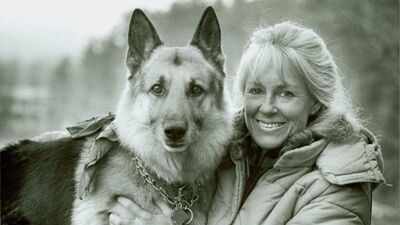
There was no electricity. No running water. No telephone. No road leading to the property. Deep in New York’s Adirondack wilderness, Anne LaBastille chose to build a life that most people would have considered impossibly difficult. In 1964, she built a tiny 12-by-12-foot log cabin on the shore of Twitchell Lake, creating a home where modern conveniences were almost entirely absent.LaBastille, a wildlife ecologist, writer and conservationist, spent much of her life in the Adirondacks, documenting the realities of living close to nature through her writing. Her experiences became the basis of her celebrated “Woodswoman” memoir series, beginning with the book “Woodswoman”, published in 1976. The series chronicled her life in the remote Adirondacks and her relationship with the wilderness. Today, the remote property she once called home has a different kind of legacy. Her 32-acre West of Wind property was donated to New York State after her death and became part of the Forest Preserve, ensuring that the wilderness she fought to protect would remain protected for future generations.
A home built far from modern life
The woman behind ‘Woodswoman ‘
LaBastille was far more than a person seeking an isolated life. She earned degrees from Cornell University and became a wildlife ecologist and conservationist. She conducted research on endangered wildlife, worked as an educator and became an important voice in the conservation of the Adirondacks. She was also among the pioneering women in fields where men greatly outnumbered women at the time. Her writing made her especially well known.“Woodswoman” transformed her personal experience of wilderness living into a story that resonated with readers beyond the Adirondacks. Her memoirs described not an idealised version of nature, but the daily realities of surviving and finding meaning in a remote landscape. She wrote about chopping wood, dealing with winter, travelling by boat and living without the conveniences that had become routine for most Americans.The cabin therefore became more than a building. It was a physical expression of LaBastille’s philosophy: that wilderness was something to experience, respect and preserve, rather than simply consume.
A legacy preserved forever
LaBastille died in 2011 at the age of 75. But her connection to the Adirondacks did not end with her death. In 2016, trustees of her estate donated the 32-acre West of Wind property on Twitchell Lake to New York State. The donation was made with the aim of protecting the ecological and historical character of the land. The state placed it within the Forest Preserve, giving the property permanent protection.Her wishes were remarkably clear. LaBastille had imagined the property remaining a place where people could experience the quiet and simplicity of wilderness. Her vision called for the land to retain its essential character rather than being transformed into a modern retreat.That makes the preservation of her property particularly significant. The 32 acres are not merely a memorial to a writer. They represent the landscape that shaped her work and her worldview.
Her story continues to inspire writers
Stay updated with the latest legal news, judgments, internships, and opportunities.
Anne LaBastille,Adirondack wilderness,Woodswoman memoir series,West of Wind property,wildlife ecologist,New York State,woodswoman labastille,adirondacks,woodswoman,Forest Preserve